
Driscoll PICU expansion brings critical care closer to Valley families
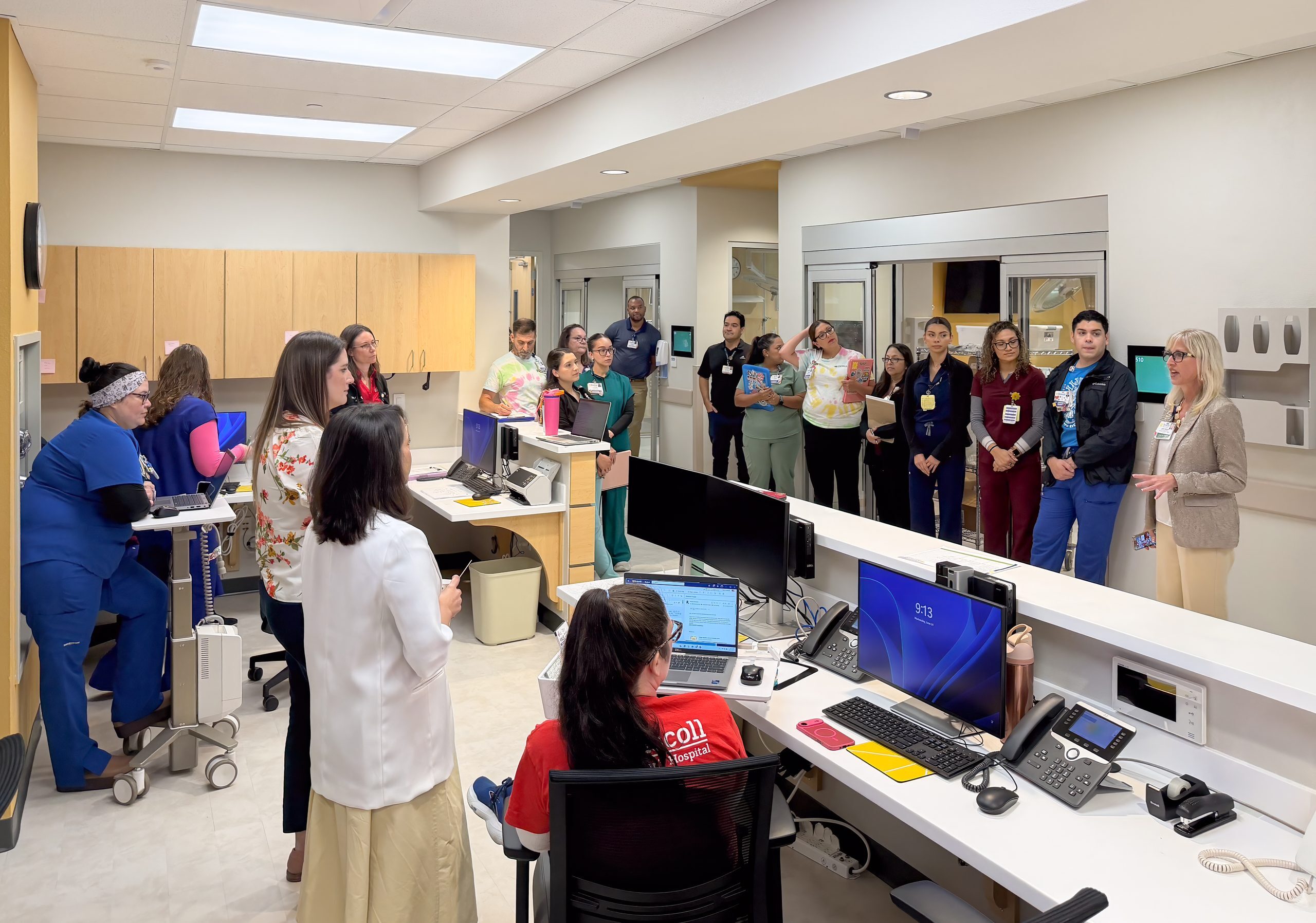
Laura Meister started her Monday morning the way she starts many of them, welcoming new employees to Driscoll Children's Hospital Rio Grande Valley.
As chief nursing officer, there are plenty of operational details she could cover with them. But one of the first things Meister wants new team members to understand isn't about policies, procedures or even the jobs they were hired to do.
It’s why they’re there.
“We really think what is essential is our connect to purpose,” Meister said. “We start all of our meetings that way. We start our orientation that way.”
For Meister, that purpose has been more than 30 years in the making.
She began her nursing career at the South Florida hospital where her mother worked — a place Meister had been walking to after school since she was in middle school. She went on to spend her career in children’s hospitals, eventually leading a heart program at Cook Children’s in Fort Worth.
Then an opportunity came along in South Texas to build something from the ground up – literally.
Meister moved to the Rio Grande Valley to help create what would become the region’s first designated freestanding children’s hospital. She helped choose equipment, hire staff and build a team around a shared mission of caring for children and families closer to home.
“I’ve been here since it was dirt,” Meister said. “It’s definitely been a once-in-a-lifetime experience.”
Now, just over two years after Driscoll Children's Hospital Rio Grande Valley opened its doors, Meister is watching the hospital grow again — and welcoming even more people into that mission.
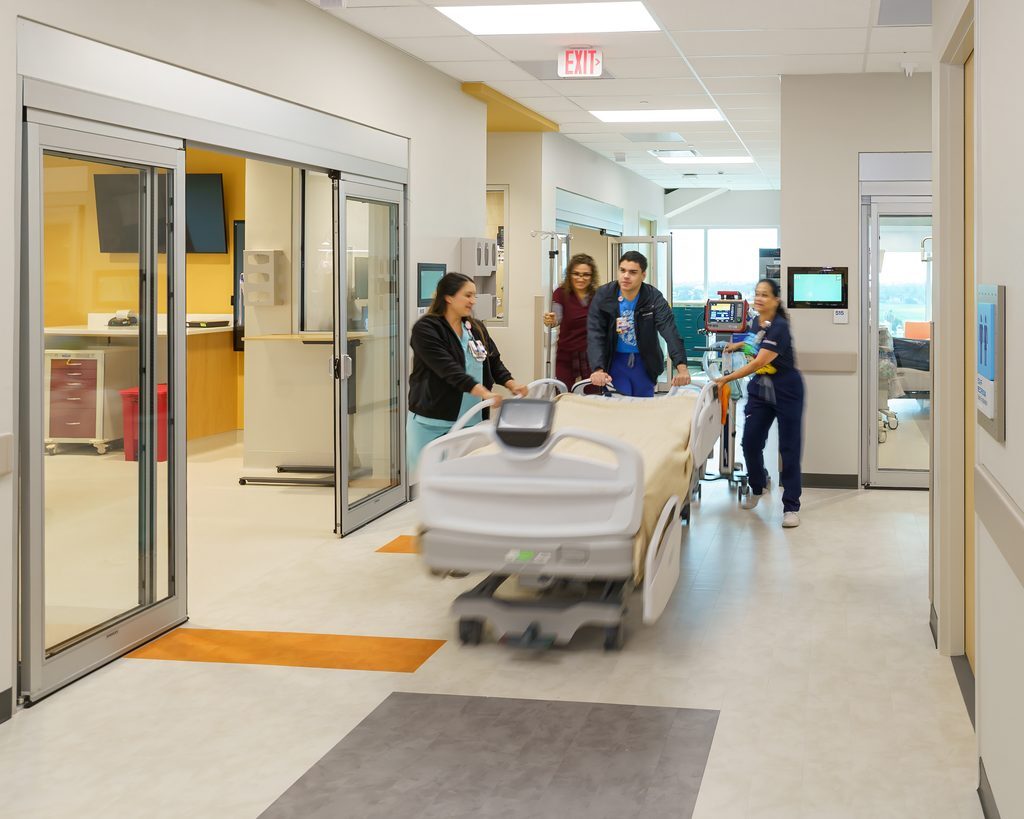
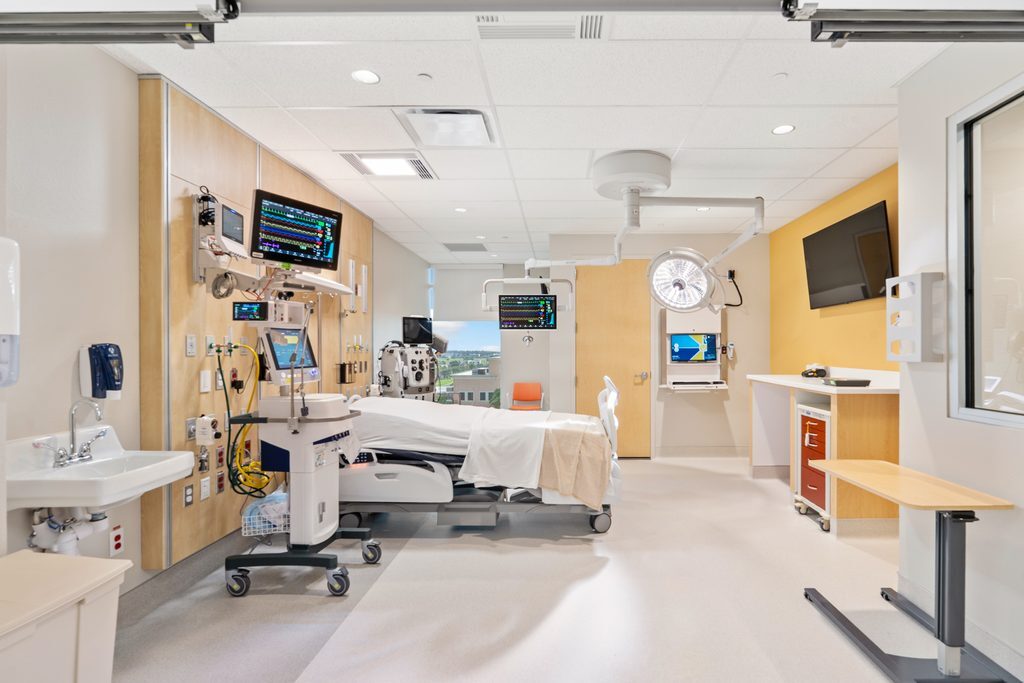
A new 15-bed Pediatric Intensive Care Unit (PICU) has opened on the hospital’s fifth floor, a $9.1 million expansion that nearly triples Driscoll’s capacity to care for critically ill children in the Rio Grande Valley.
For Meister, it’s another milestone in the growth of a hospital she has watched rise from the ground up.
But, she says, the real measure of that growth isn’t the building. It’s the children who no longer have to leave the Valley for care.
“It’s exciting because it’s an expansion and it is successful,” Meister said, “but really it’s our ability to take care of more kids and deliver more care, so children do not have to leave the Valley.”
Growing to meet the need
The expansion adds 15 beds to Driscoll’s existing eight-bed PICU, bringing total pediatric intensive care capacity to 23 beds and the hospital’s overall capacity to 134 beds.
“This expansion reflects Driscoll’s continued investment in the Rio Grande Valley and our commitment to meet growing demand for specialized pediatric care,” said Eric Hamon, president and CEO of Driscoll Health System. “We’re committed to growing alongside our community by investing in clinical expertise and infrastructure that children need today and for years to come.”
The additional space was part of the plan from the beginning. The hospital’s fifth floor was originally built as shell space, allowing Driscoll to respond as the needs of children and families in the Rio Grande Valley became clearer.
It didn’t take long.
“We figured out pretty early on that that was the right next step — to do an ICU versus a med surg floor,” Meister said.
During the past year, the original eight-bed PICU accounted for more than 200 patient days. Meister said the hospital also repeatedly reached capacity. “We’ve had many, many times we’re at complete capacity,” she said.
The need became even more apparent once the new unit opened.
“Within days of opening it, we already were above the capacity of the previous unit,” Meister added.
The expanded PICU provides around-the-clock monitoring and specialized treatment for children recovering from major surgery, traumatic injuries, severe infections, respiratory illnesses and other life-threatening conditions.
It also gives Driscoll room to continue adding pediatric specialists and services that depend on intensive care support.
“This really allows us to take care of more kids, and for those kids who are very sick, to be able to be taken care of close to home,” explained Meister.
Keeping families together
Close to home takes on a different meaning when a child is critically ill.
For families in the Rio Grande Valley, receiving some types of specialized pediatric care once could mean traveling three or more hours to San Antonio or making other long trips outside the region. That distance can become even more difficult when a child is hospitalized and parents are balancing work, siblings, school and everything else continuing at home.
That’s why having advanced pediatric care available in the Valley removes one more burden at an already overwhelming time.
“It really is just something that allows people to stay close to home, allows you to keep as much normalcy in your life while you’re going through such a stressful environment, and you already feel so vulnerable just to know that your child is not well or hurt, and you don’t have those added burdens,” she explained.
It’s a difference Meister and her team hear about directly from families.
At Driscoll, they call them “connect to purpose stories” — stories from families about the care their children received, the travel they no longer have to make and what having that care close to home has meant in their lives.
“The families are telling us either that, you know, they used to have to travel, how hard it was on them. Now they don’t have to do it,” Meister said. “We hear about the wonderful care we give here and what it means to their family and the impact you make on their lives. So, it’s very rewarding.”
A team built around the mission
More beds also require more people to care for the children who fill them.
Driscoll hired approximately 30 additional team members to support the PICU expansion, including a pediatric intensivist, nurses, respiratory therapists and other clinical and support staff.
They join a hospital that has grown to more than 700 employees since opening in 2024, with more than 30 pediatric medical and surgical specialties and eight operating rooms.
For Meister, building that team has always meant more than filling positions.
It’s why she spends mornings at new-hire orientation talking about the mission. She wants employees to understand from the beginning that caring for children isn’t limited to the people standing at the bedside.
“It doesn’t matter whether or not you’re the person who’s cleaning the floor, you’re the person who’s taking care of the child,” Meister said. “All of us have that same mission and vision and how important it is to us.”
That mission is also behind the hospital’s continued growth.
Driscoll’s eight operating rooms handled more than 700 cases in July alone, Meister said — another sign that more families are turning to the hospital for care that once may have required them to leave the Valley.
And the growth isn’t finished.
What’s next for children’s care in RGV
The fifth floor will soon be home to another addition: a new laboratory expected to open in September.
Bringing many of Driscoll’s currently contracted laboratory services into the hospital will allow teams to receive results more quickly and make decisions about a child’s treatment sooner.
For families, the process should feel almost invisible.
“It's all about making sure we have those results faster to either start their treatment or to find out that they're OK and they can go home from the emergency room,” she explained.
Hospital leaders are already looking beyond the fifth floor, too.
Meister said Driscoll is evaluating ways to expand its eight-bed emergency room, continue growing pediatric specialty services and eventually increase operating room capacity. Leaders have also had discussions about expanding services in communities such as Brownsville, helping bring care even closer to families there.
For a hospital that opened just over two years ago, each new bed, specialist and service represents another step in something Meister, and so many at Driscoll, came to the Valley to help build from the ground up — giving children the care they need without having to leave the community they call home.
“That’s what we’re here for,” Meister said. “We’re here for the community, and to make sure that they get the absolute best care possible.”