
How Driscoll Children’s makes procedures easier for kids and families
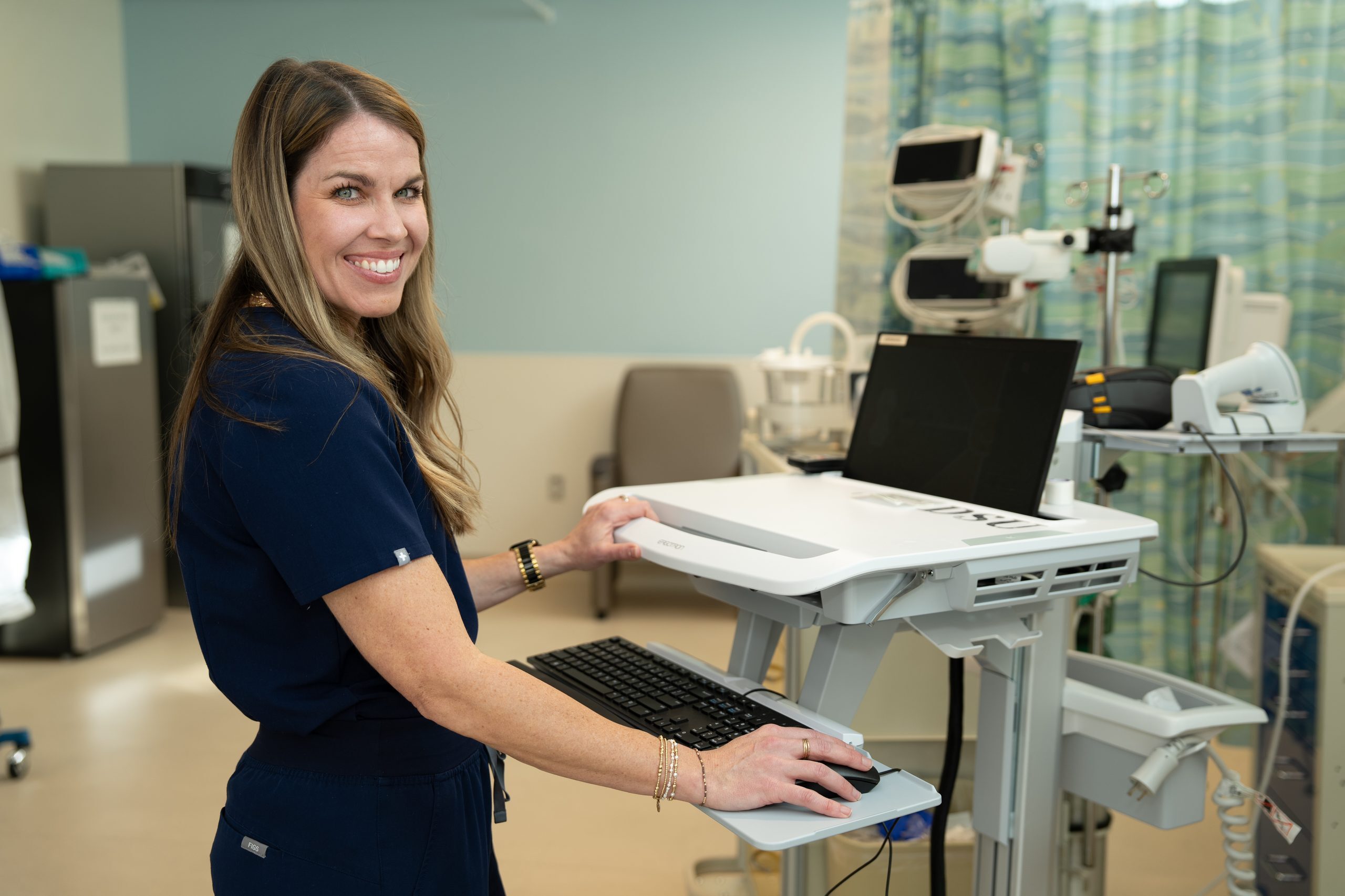
The little boy was scared, but he knew exactly who he wanted by his side.
Earlier that day, a nurse at Driscoll Children’s Hospital had taken the time to get to know him, helping him feel comfortable as he prepared for a medical procedure. As the process continued, the two developed a connection, and whenever he began to feel afraid, he looked for her.
For Lyndsay Lamprecht, RN clinical coordinator of Driscoll’s Pediatric Sedation Service, moments like that show just how much a familiar face can mean to a child receiving medical care.
“You’ll see that the patient begins to look for that nurse,” Lamprecht said. “You know, at times when they’re scared, they’ll look for that specific nurse.”
That personal connection is an important part of a program that’s changing how children at Driscoll experience everything from MRIs and diagnostic tests to certain treatments and minor procedures.
For years, hospitals often relied on anesthesiologists or other specialists to help children through medical tests and procedures that required sedation. Over time, hospitals began creating pediatric sedation teams to provide that care outside the operating room, giving children and families another option. The approach has continued to grow across the country, with the Society for Pediatric Sedation, founded in 2007, helping set standards for safe, quality care.
Since launching in 2024, Driscoll’s Pediatric Sedation Service has grown from providing sedation primarily for MRIs to supporting procedures throughout the hospital. Along the way, the team has helped shorten wait times, free up operating room resources and make medical care less stressful for children and their families.
And in just two years, the program has earned national recognition for its child-centered approach.
Getting answers sooner
Before the program launched, many children who needed an MRI, or another procedure that required them to remain still, had to receive general anesthesia, even when the procedure itself wasn’t painful.
That often meant competing for limited anesthesia time with children undergoing surgery.
For families waiting for answers about their child’s health, the delays could be stressful.
Dr. Abdallah Dalabih, Driscoll Children’s chief medical officer, explained that before the sedation program launched, children sometimes faced lengthy waits for MRIs because of the demand for anesthesia services.
Today, the sedation team helps children receive those tests much sooner, allowing families and their care teams to move forward with the next steps in treatment.
And the difference extends beyond the imaging appointment itself. An MRI may help physicians determine a diagnosis, decide whether another procedure is needed or reassure a family that everything looks normal. When children can receive those tests sooner, the next steps in their care can move forward sooner, too.
The program also helps free up anesthesia teams and operating room time for patients who need those services. Operating rooms are often booked with surgeries across many different medical specialties, making available time especially valuable. When certain tests and procedures can be done safely outside the operating room, more time becomes available for children who need surgery, helping reduce scheduling delays across the hospital.
Dr. Dalabih said that benefit was one of the primary reasons Driscoll developed the program. By creating another safe option for appropriate procedures, the hospital can make better use of its resources while serving more children.
The right care for every child
Although sedation and general anesthesia can both help children safely complete medical procedures, they aren’t interchangeable. The right choice depends on the child’s health, the type of procedure and the level of support needed.
General anesthesia typically involves a deeper level of unconsciousness and may require a breathing tube or other help with breathing. Patients also generally need more time to prepare for the procedure and recover afterward. Sedation, on the other hand, can offer a less involved option for children who qualify. At Driscoll, the team often uses fast-acting medications given through an IV, allowing children to remain comfortable while continuing to breathe on their own. Because the medications wear off quickly, children can often recover and return home sooner, with fewer lingering effects.
General anesthesia remains an important option, particularly for children with more complex medical needs or those who may face greater risks with sedation.
And sometimes, neither is necessary.
Dr. Dalabih explained that a child undergoing a painless procedure, such as an MRI, may be able to complete the test without medication if the team can help them feel comfortable and remain still.
That’s where Driscoll’s child life specialists can make a difference, using age-appropriate explanations, reassurance and distractions to help children understand what to expect.
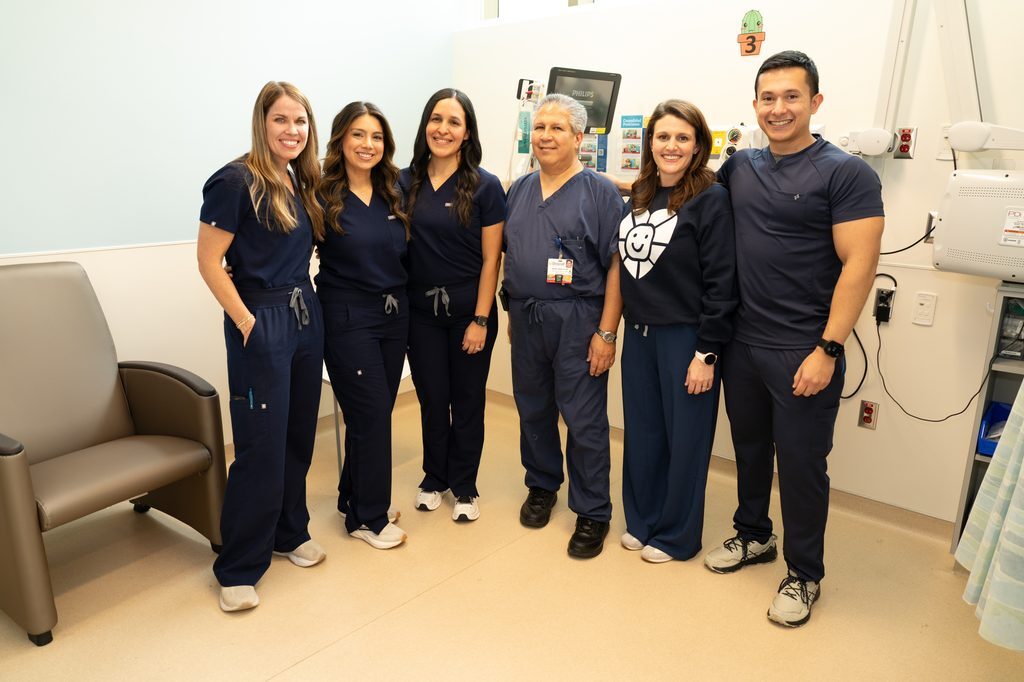
When patients do require sedation, Dr. Daniel Sedillo, a physician with the Pediatric Sedation Service, said the team focuses on three goals: completing a successful procedure, keeping the child comfortable and ensuring their safety throughout the process.
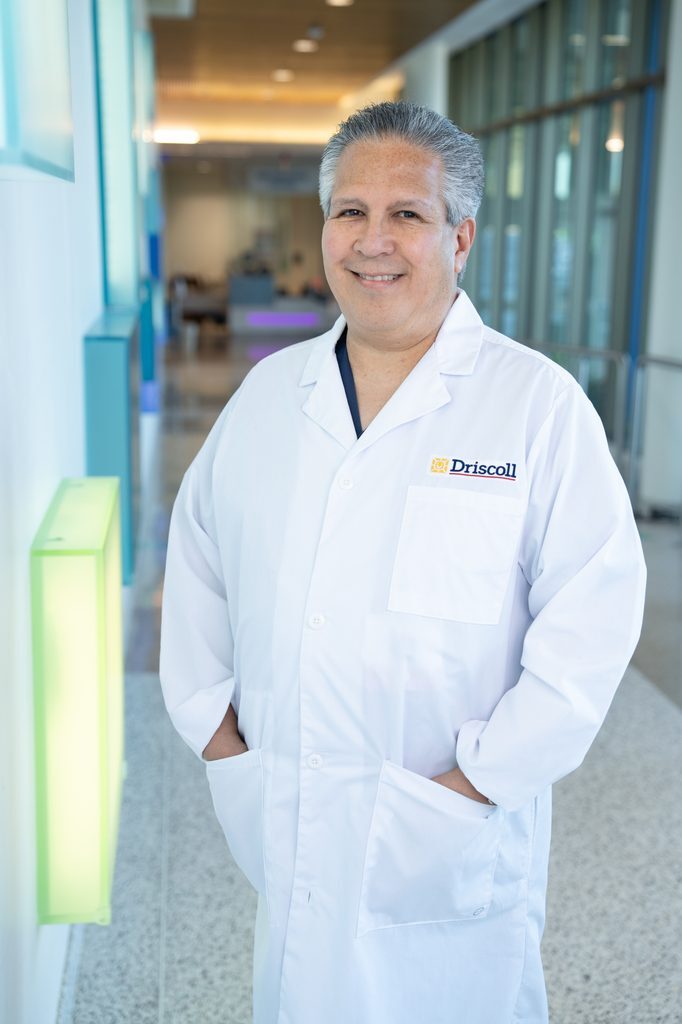
“If I do all three of those things with the team, then the family is going to be much more comforted as well,” he said. “The idea is not just to get the procedure done, but to decrease the anxiety and the trauma that those patients go through.”
And the preparation begins well before the child arrives, Dr. Sedillo explained. Team members contact families in advance to review medical history, explain the process and answer questions. Another call the day before the procedure helps parents understand what to expect.
Once families arrive, the same nurse typically stays with the child through check-in, the procedure and discharge, then follows up afterward.
“That patient really becomes comfortable with that nurse,” Lamprecht added. “It eases their anxieties, the emotional stress of the whole situation.”
The team also brings sedation services to different departments and clinics throughout the hospital, rather than requiring every child to come to one location.
That flexibility is especially meaningful for children who need repeated procedures, including those receiving treatment for cancer or blood disorders. Some oncology patients may undergo 16 to 18 procedures over two or more years of treatment, making the comfort and familiarity of the sedation team especially important.
Dr. Sedillo recalled an 18-year-old oncology patient who had returned for her sixth or seventh procedure. By then, the team had become a familiar source of comfort during a difficult course of treatment.
For Dr. Sedillo, those relationships with patients make a difference, and sometimes the simplest things mean the most.
“If we get a hug, a high five, or a thank you, that makes our day,” he said.
National recognition, local impact
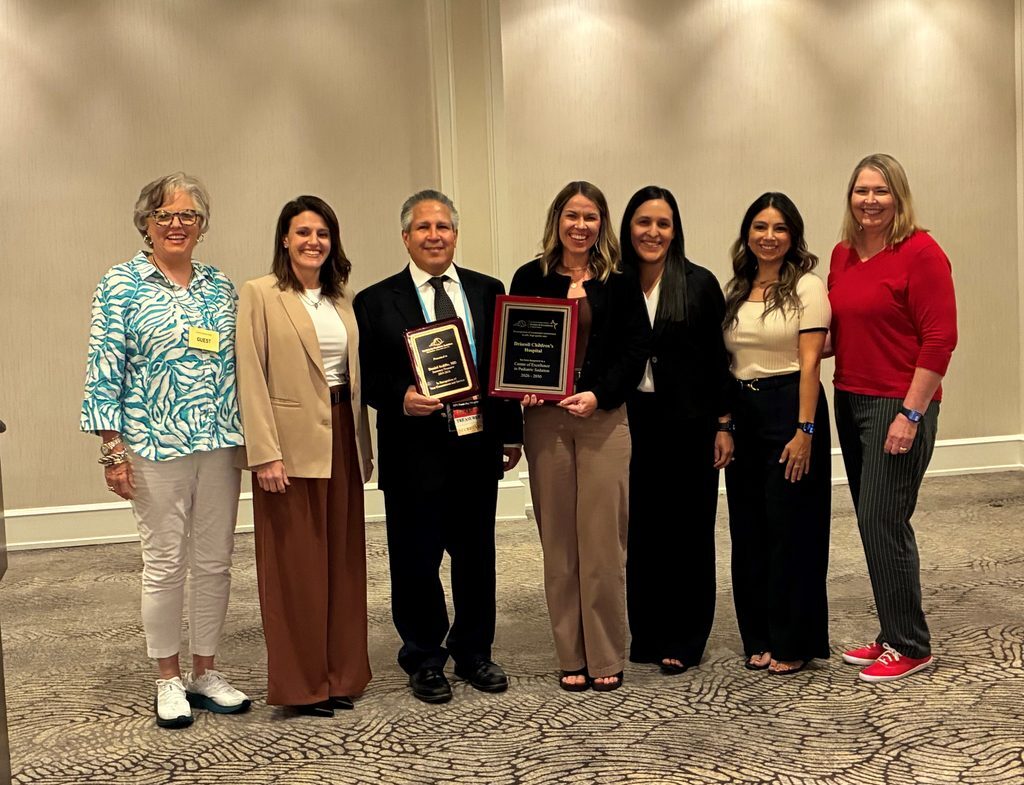
The program’s growth has also brought national recognition. In 2026, Driscoll Children’s earned designation as a Center of Excellence in Pediatric Sedation from the Society for Pediatric Sedation, becoming one of just 29 hospitals nationwide to hold the distinction.
The recognition reflects the program’s commitment to safety, quality, effectiveness and family-centered care.
For Dr. Sedillo, however, the recognition is less important than what it represents for the children receiving care.
“While the plaque and accolades are great, I just feel good that we are providing a quality product and service and taking care of the kids in our community,” he said.
That approach is also extending beyond Corpus Christi. Driscoll’s team has worked with colleagues at Driscoll Children’s Hospital Rio Grande Valley to support sedation services there, sharing clinical practices and expertise so more children can receive care closer to home.
For Dr. Dalabih, who previously provided pediatric sedation himself, the program’s success reflects the experience and dedication of the nurses, physicians and other specialists who work together every day.
“I am very proud with the team that we have. We have absolutely one of the best teams that you can ask for,” he said.
And for Lamprecht, the impact of their work is found in much smaller moments.
Like the little boy who arrived for his procedure and found comfort in a nurse he’d only just met.
The boy didn’t know about the program’s national recognition, the shorter wait times or the many ways the team is helping children throughout South Texas.
He just knew that when he felt scared, there was someone he could look for.
And she was right there with him.