
Inside Driscoll’s Level IV NICU
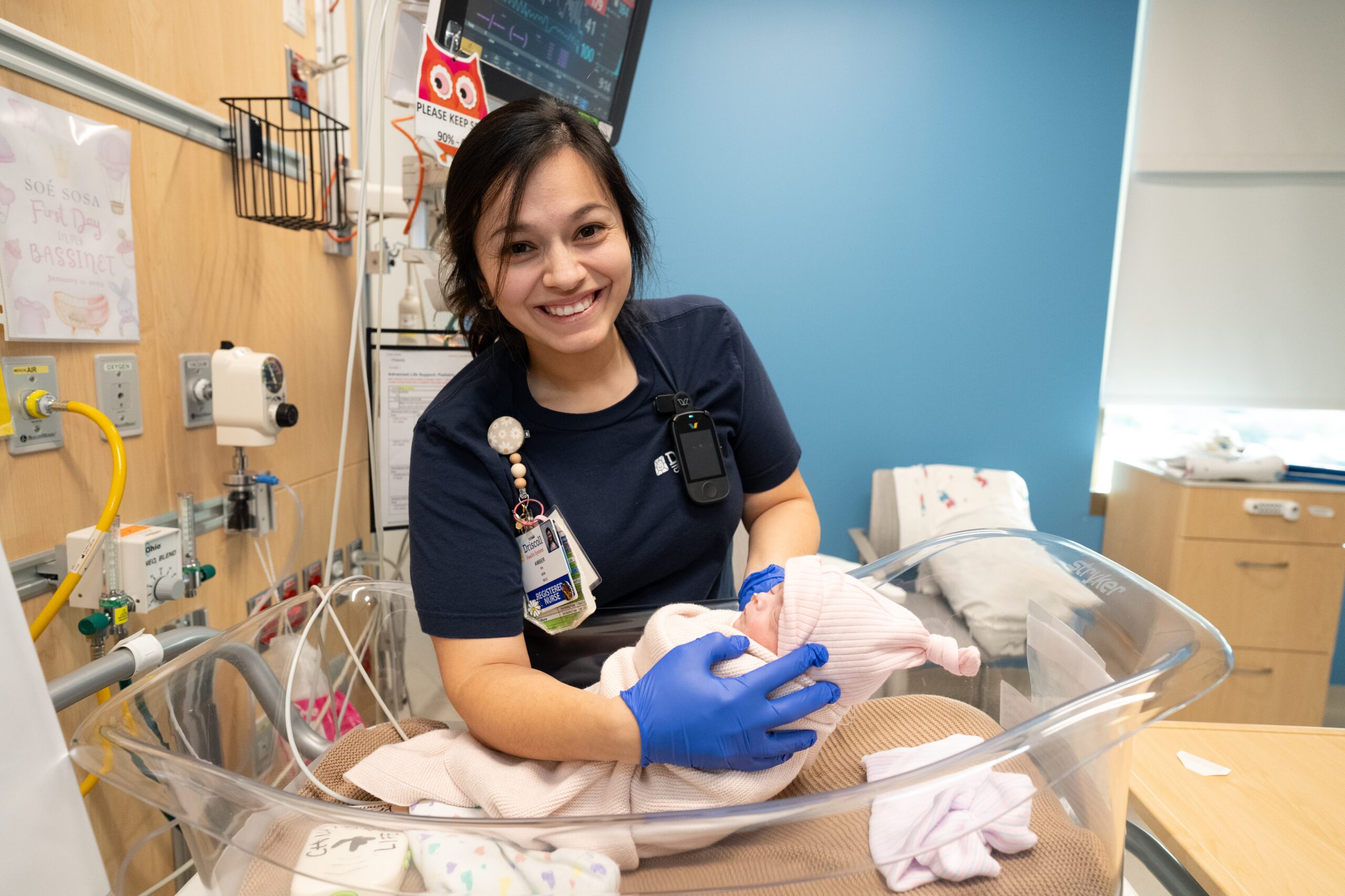
Caring for the sickest newborns requires more than advanced equipment. It requires systems that scale, teams that communicate and protocols that keep babies — and families — at the center of every decision.
At Driscoll Children’s Hospital, those principles guide daily work inside the region’s only Level IV Neonatal Intensive Care Unit (NICU), which anchors a coordinated network of more than 200 NICU beds across South Texas. The work has drawn national attention from the Society of Critical Care Medicine, but leaders say it reflects a consistent focus on babies and their families.
“Our babies are extremely vulnerable,” said Dr. Euming Chong, medical director for Driscoll’s NICU, neonatal transport and quality programs. “So, everything we do — technology, staffing, even how we design rooms — has to support better outcomes without adding stress.”
Standardizing technology to reduce risk
While NICUs often rely on a wide range of devices, Driscoll’s approach emphasizes consistency.
Instead of using multiple ventilator systems, the hospital uses a single, high-end platform across departments, including transport, the NICU, pediatric intensive care unit and Heart Center.
“That decision was very intentional,” Dr. Chong explained. “When everyone uses the same ventilator, our respiratory therapists become experts. There are fewer changes for the baby, and fewer chances for error.”
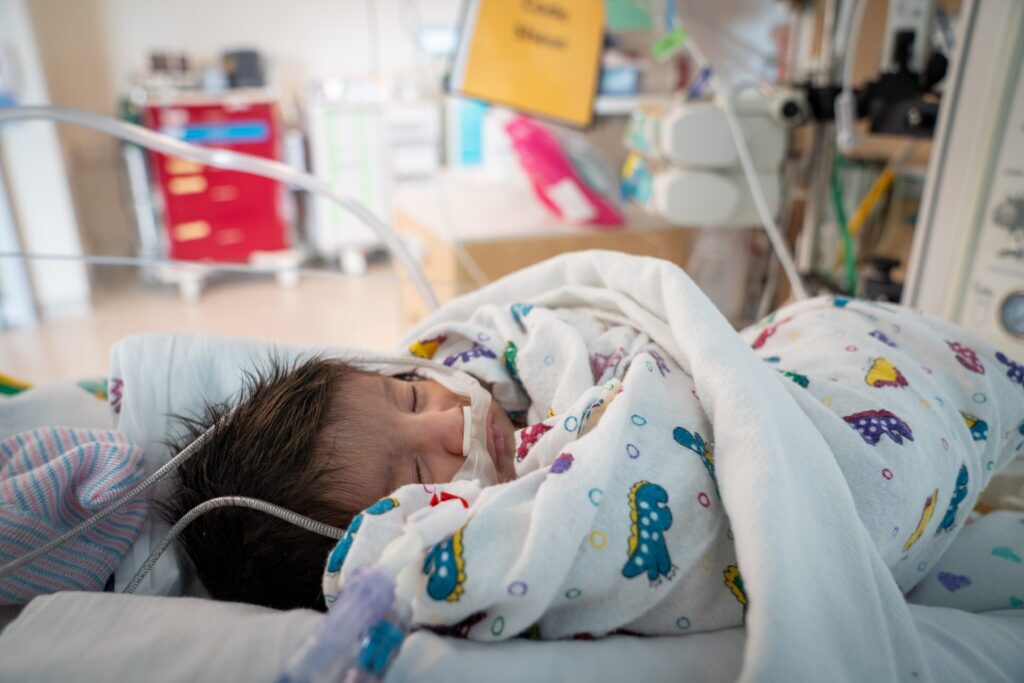
Advanced neurologic monitoring also plays a key role. Continuous brain monitoring allows clinicians to detect seizure activity that may not be visible at the bedside.
“Sometimes a baby’s brain is seizing even when you can’t see it,” Dr. Chong said. “Now, we can identify those patterns earlier and intervene sooner, instead of reacting after injury has already occurred.”
The philosophy, she said, is proactive care.
“We don’t want to chase problems as they roll downhill,” she said. “We want to get ahead of them.”
Designing care around the most fragile patients
As a largely surgical NICU, Driscoll performs many procedures at the bedside to avoid moving extremely small infants.
“When a baby weighs one pound, even rolling down the hallway can drop their body temperature,” Dr. Chong said. “Movement itself is stressful.”
During planning for the new NICU in Corpus Christi, surgeons identified a surprisingly basic need: better lighting.
“That was the biggest request,” she said. “So, we invested in high-quality lighting at every bedside.”
The upgrade improved surgical care but also enhanced daily skin checks and pressure injury prevention.
“We examine babies head to toe every day,” Dr. Chong said. “Good lighting helps us catch small issues early.”
Natural light was another design priority. Located on the hospital’s top floor, the NICU includes adjustable window coverings that allow staff to control light exposure.
“Sunlight is healing,” Dr. Chong added. “It matters for babies, and it matters for families who are here for weeks or months.”
Supporting families as part of the care team
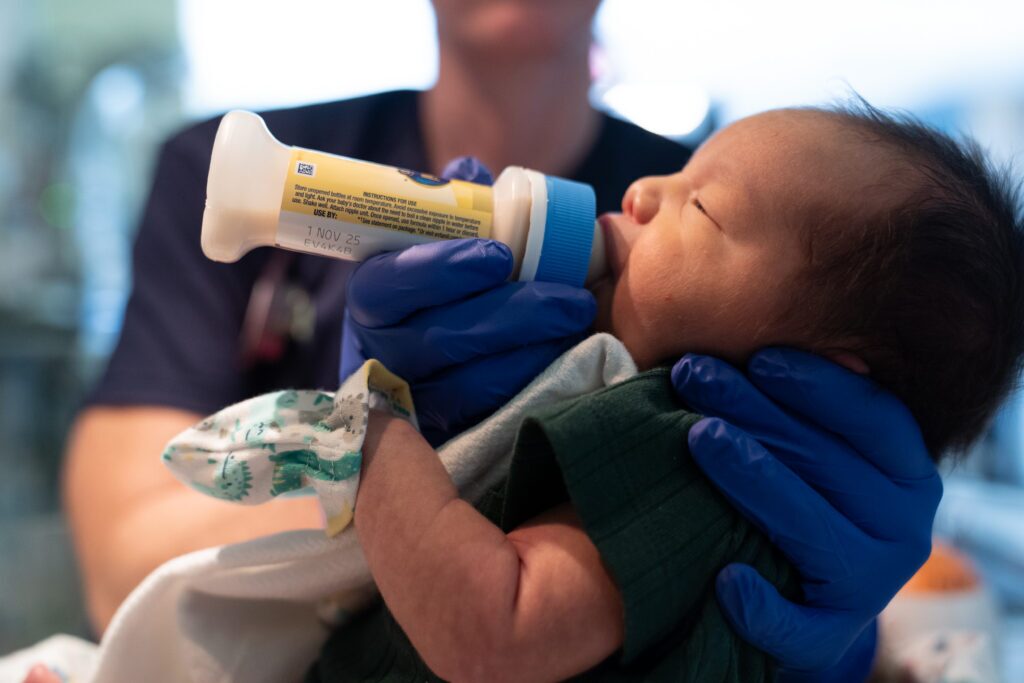
Driscoll’s protocols extend beyond clinical care to address the realities families face during long NICU stays.
“Families are worried about their baby, but they’re also worried about work, housing, transportation and other children,” Dr. Chong explained.
Social workers, care coordinators and support staff routinely arrange housing, meals and transportation so parents can remain close to their child.
“We tell families, ‘Just focus on your baby,’ ” she said. “That’s not a slogan. It’s how we operate.”
The NICU also includes private rooms to support difficult moments, including end-of-life care. “We can give families space, dignity and peace,” added Dr. Chong. “Those moments stay with them forever.”
A multidisciplinary team model
Dr. Chong credits outcomes as much to people as to technology.
“Our nursing staff is extraordinary,” she said. “They don’t walk away when a shift ends if a baby still needs attention.”
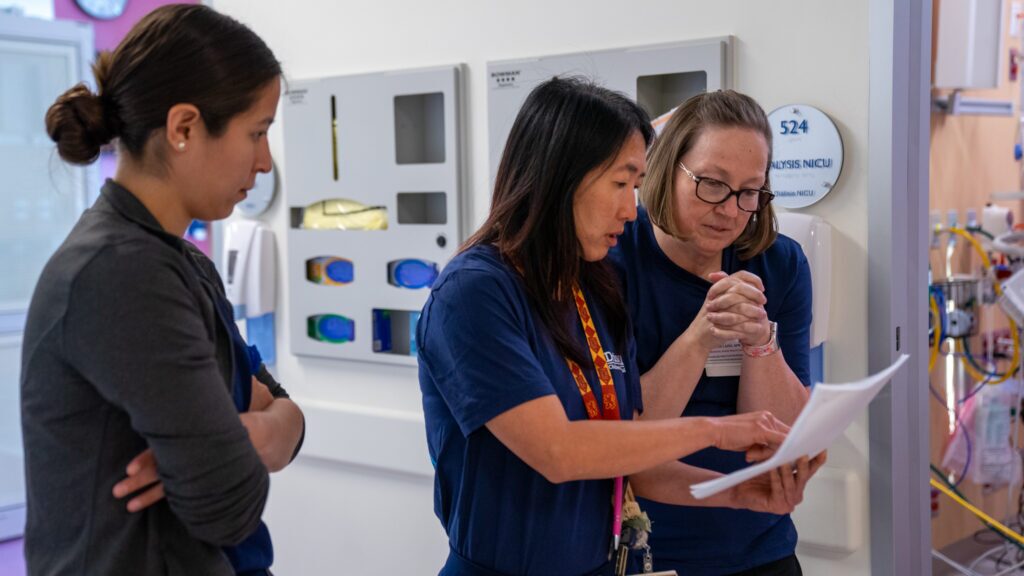
Daily rounds include neonatologists, nurses, nurse practitioners, respiratory therapists, physical and occupational therapists, residents, chaplains, child life specialists and mental health providers. Many team members are bilingual, reflecting the region Driscoll serves.
“We want families healthy physically, emotionally and mentally,” Dr. Chong said. “Parents are truly part of the care team for these babies.”
Collaboration is encouraged at every level. “We create a safe environment for people to speak up,” she added. “Good care depends on effective communication, not hierarchy.”
Building and sustaining a regional NICU network
Driscoll’s Level IV NICU serves a large geographic area stretching from Victoria to the Texas border. To reduce family burden, the hospital works closely with partner NICUs across the region.
Medical directors from affiliated NICUs meet regularly to align standards, share data and discuss complex cases. Babies transfer to Driscoll when they need the highest level of care and return closer to home once they are stable.
“If a baby can finish care near family, we make that happen,” Dr. Chong said. “Sometimes, we even cover transport so families aren’t burdened.”
Outpatient clinics across South Texas help minimize travel, and care coordinators group appointments to reduce repeat trips.
“These may seem like small details,” she explained. “But for families traveling hours at a time, they matter.”
Lessons for other NICUs
Asked what other NICUs can learn from Driscoll’s model, Dr. Chong points to the fundamentals.
“It always comes back to basics,” she said. “Clear purpose. Strong teams. Communication. If your foundation is strong, you can build and grow without losing focus.”
As neonatal care evolves, she believes technology should enhance — not replace — those fundamentals.
“Our goal is the next generation,” Dr. Chong said. “Using innovation to support what already works, so babies have the best possible start.”