
Prevent Low Birth Weight With High-Risk Pregnancy Care
According to the World Health Organization, any baby weighing less than 5.5 pounds at birth has a low birth weight. This small size often affects children born prematurely, those who experience fetal growth restriction (FGR), or both. With FGR, the developing baby doesn’t get enough nutrients inside the uterus to grow and gain weight. This may stunt growth in the entire body or result in a fully grown head with a smaller body.
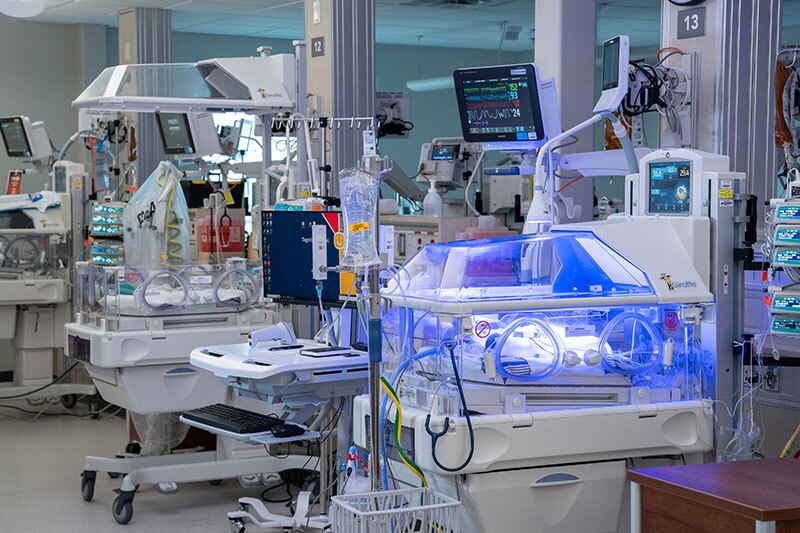
Complications Related to Low Birth Weight
Whether brought on by premature birth, FGR, or both, low birth weight can cause immediate and long-term complications. The infant might struggle more with feeding, gaining weight, and battling infections, leading to additional complications, including:
- Bleeding in the brain (intraventricular hemorrhage)
- Breathing issues, such as respiratory distress syndrome
- Cells lining the intestinal wall die (necrotizing enterocolitis)
- Delayed social and motor development
- Difficulty staying warm due to having little body fat
- Heart disease, diabetes, and othesr chronic health conditions later in life
- Jaundice
- Learning disabilities
- Low blood sugar
- Sudden infant death syndrome (SIDS)
Though it’s impossible to prevent all cases of preterm birth and low birth weight, certain steps and specialized prenatal care can reduce your risk.
Know Your Risks for Having a Low-Birth-Weight Baby
There are many reasons a baby may be born with a low birth weight. For instance, it’s more likely if you experience placenta issues or live at a high altitude. Carrying twins, triplets, or other multiples also raises your risk, as do certain chromosome issues, a short cervix, a family history of children being born early, or giving birth before the age of 17 or after 35.
Additionally, lifestyle and health issues may lead to premature birth, FGR, and low birth weight. Some of these include:
- Alcohol abuse
- Anemia
- Blood clotting disorders
- Cardiovascular disease
- Cigarette smoking or secondhand smoke exposure
- Diabetes
- High blood pressure
- Illegal drug use
- Minimal maternal visits
- Obesity
- Partner violence
- Poor nutrition
- Preterm birth
- Single maternal status
- Stress
- Young maternal age
Avoiding Low Birth Weight
By recognizing and addressing lifestyle and health issues, you improve your child’s odds of reaching full term and a healthy weight. You can help prevent low birth weight with the following:
- Drop bad habits. If you drink alcohol, smoke, or use drugs, make every effort to stop. Quit-smoking tools and recovery experts can help throughout pregnancy and beyond.
- Manage preexisting conditions. Diet, exercise, and medication can help keep diabetes and other health issues under control. Your health care team can give you individualized tips to help manage whatever conditions you have before and during pregnancy.
- Seek prenatal care. Schedule your first visit during the first trimester and work with a qualified women’s health expert throughout your pregnancy. Be sure to follow your doctor’s orders, adjusting your diet, activity, and more in an effort to protect your little one.
- Stay safe and calm. If you live with someone who abuses you or threatens abuse, it may be time to move. A safe environment that minimizes stress helps your baby develop healthily and keeps you both safe.
The Role of Maternal Specialists
It takes a village to raise a child and a team to make it through pregnancy. High-risk pregnancies benefit from the expert touch of a Maternal Fetal Medicine physician.
These experts specialize in caring for pregnant women with atypical pregnancies. They help when you have risk factors that may lead to low birthweight or other pregnancy complications.
Working alongside other pregnancy providers, Maternal Fetal Medicine physicians provide a wide range of services, including:
- Counseling. Pre-conceptional counseling helps you understand the potential risks pregnancy poses based on your health history, lifestyle factors, and more. If low or extremely low birth weight (less than 2.2 pounds) is expected, you’ll learn what to expect in the Neonatal Intensive Care Unit (NICU).
- Frequent monitoring and testing. Ultrasound and other specialty tests help keep an eye on your developing little one. When these tests uncover issues, your care team can develop a care plan to help protect you and your baby.
- Genetic testing and counseling. Specific tests detect genetic issues that may affect your likelihood of various congenital issues. A genetic counselor explains the results to you and helps you understand your options moving forward.
- Health management. Maternal fetal medicine physicians help treat and manage health issues that cause a pregnancy to be considered high risk. These include heart disease, diabetes, hypertension, cardiovascular disease, multiple miscarriages, and thyroid disease.
Low Birth Weight: What to Know
Low birth weight affects many children, and certain steps reduce the risk.
- Being born with low birth weight puts newborns at risk for many dangerous health issues.
- Lifestyle and health changes go a long way toward preventing low birth weight.
- A Maternal Fetal Medicine specialist can guide you through a high-risk pregnancy and reduce the likelihood of low birth weight and other potential complications.
Facing a high-risk pregnancy can be overwhelming. Find a doctor today to begin your journey with confidence.