
Driscoll Neurosurgery expands specialized care across South Texas
For families facing a pediatric brain or spine condition, access to specialized care can make all the difference.
At Driscoll Children’s Hospital, the Pediatric Neurosurgery Department is working to ensure children across South Texas can receive that care closer to home.
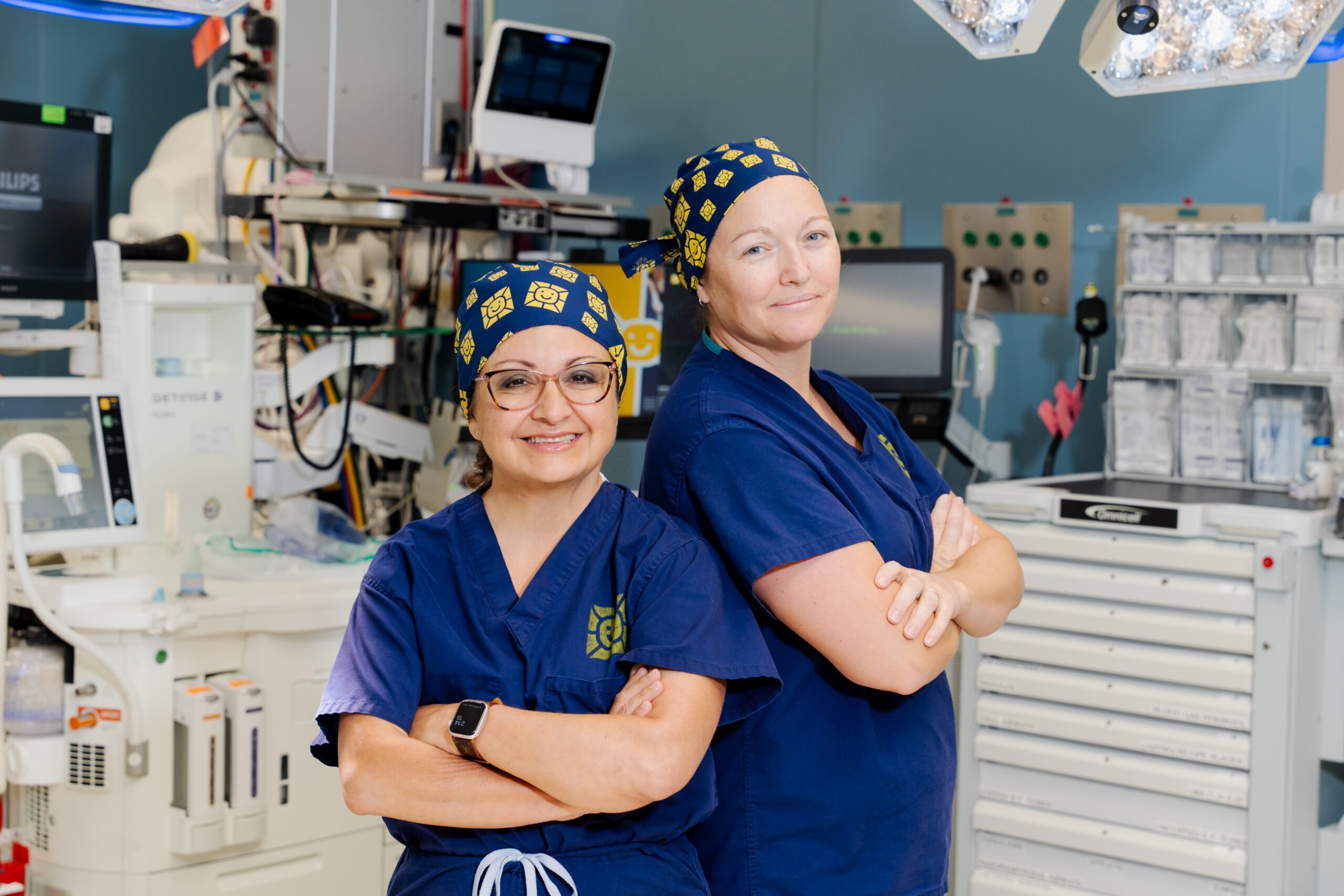
The department recently expanded with the addition of Dr. Zulma Tovar Spinoza, who joined Dr. Ashley Hanna, medical director of pediatric neurosurgery, to help meet a growing need across the region.
Together, the two neurosurgeons provide comprehensive care for infants, children and adolescents with conditions affecting the brain, spine and nervous system, including hydrocephalus, spina bifida, epilepsy, brain tumors, craniofacial conditions, vascular disorders and traumatic injuries.
Two neurosurgeons. One mission. Bringing specialized pediatric care closer to home, even beyond the walls of Driscoll Children’s Hospital in Corpus Christi.
A growing need across South Texas
Hanna spent five years as the department’s sole pediatric neurosurgeon before beginning the search for a second specialist.
“The really nice thing is that Dr. Tovar Spinoza and I complement each other well,” Hanna said.
While both physicians provide a full range of pediatric neurosurgical care, each brings specialized expertise. Tovar Spinoza specializes in epilepsy and functional neurosurgery, while Hanna focuses on vascular neurosurgery and complex spine conditions.
“Between the two of us, we essentially do everything for pediatric neurosurgery,” Hanna said. “We were able to provide that as close to home as possible for all the kids in South Texas.”
For Tovar Spinoza, joining Driscoll was about more than building a practice.
“The Driscoll mission of providing care and not turning away any kid is something that got very close to my heart,” she said.
She also recognized the tremendous need throughout the region.
“This is a huge area. Driscoll is covering a population of 4 million people, and the social realities are challenging,” Tovar Spinoza explained. “There is so much to do here. There’s so much need.”
Taking care to the children
One of the department’s biggest strengths is its commitment to meeting families where they are.
For more than two decades, Driscoll has operated outreach clinics across South Texas to improve access to specialty care. Today, the pediatric neurosurgery team travels regularly to communities including Brownsville, McAllen, Laredo and Victoria.
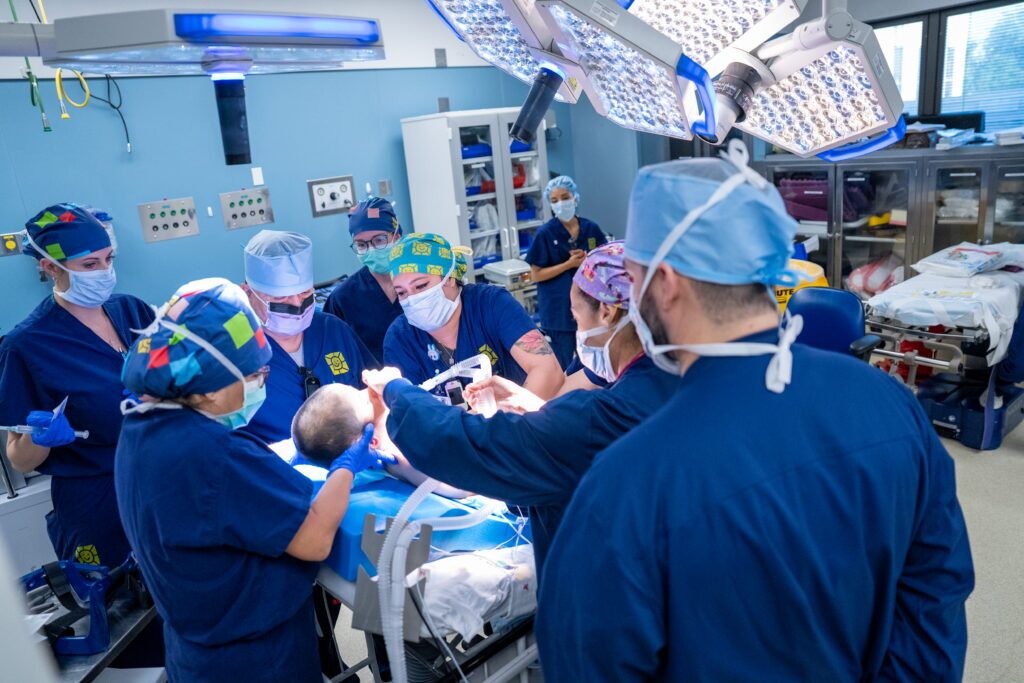
With the addition of Tovar Spinoza, the department has expanded both the number of clinics and the number of patients it can serve.
Today, the team regularly travels by plane to communities across South Texas, bringing specialized pediatric neurosurgical care closer to families who might otherwise face hours of travel.
“We really have a broad footprint of where we’re able to go,” Hanna said.
The impact is especially important in communities along the Rio Grande Valley and the Texas-Mexico border, where pediatric specialty care can be difficult to access.
“We’re now able to improve the care that these children receive because they just really don’t have pediatric specialties or subspecialties available to them,” Hanna explained.
Many children never need surgery. But for those who do, the team can coordinate treatment at Driscoll Children’s Hospital in Corpus Christi, where specialized equipment, highly trained staff and pediatric-focused resources are available.
“There are a lot of patients who absolutely cannot travel,” Hanna added. “Just being able to be present from birth for these kids, who have very complex problems, is really important.”
Expanding services and advanced technology
The department’s growth is reflected in the number of children receiving care.
Before Hanna joined Driscoll Children’s Hospital in 2017, the neurosurgery program performed approximately 120 procedures annually. In her first year, that number grew to 185 cases and eventually reached approximately 280 procedures annually.
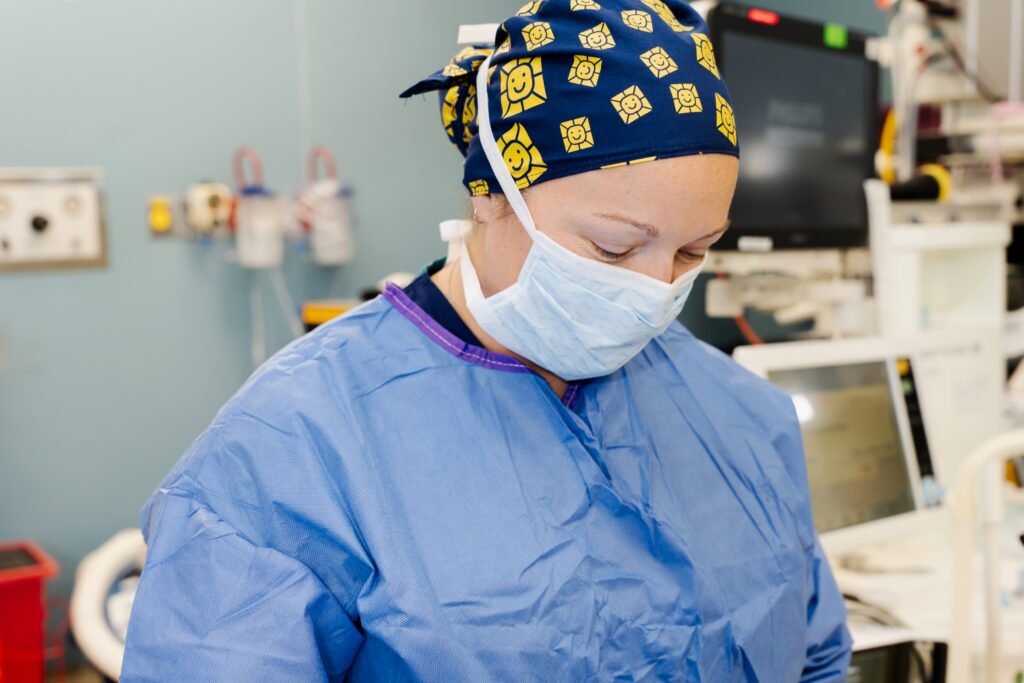
Today, with the addition of Tovar Spinoza, the department is on track to perform more than 350 procedures this year, reflecting both growing demand and expanded access to care across South Texas.
At the same time, the team continues to introduce advanced technologies that previously were not available locally.
One of the newest additions is MRI-guided laser ablation, a minimally invasive technology used to treat certain forms of epilepsy, brain tumors and vascular abnormalities.
“We have performed already two cases with a lot of success,” Tovar Spinoza said.
She called the technology an important step forward for families in the region.
“It is bringing state-of-the-art neurosurgery to the kids of South Texas,” she said.
The department has also expanded care for pediatric vascular conditions through collaboration with specialists who perform advanced endovascular procedures for aneurysms, arteriovenous malformations and stroke-related conditions.
Stroke is often considered an adult condition, but both physicians say it can affect children as well.
“We’re really trying to identify what are the causes of that — either genetic, environmental, multifactorial,” Hanna explained.
She added that education is an important part of their work.
“We do a lot of education, a lot of one-to-one with local providers in order to identify surgical patients,” she said.
Focus on quality — and the future
As the department continues to grow, both physicians say quality remains their top priority.
“We’re both very committed to quality of care and excellence,” Tovar Spinoza said.
The two physicians regularly discuss cases and collaborate on treatment decisions to ensure children receive the best possible care.
“For us, quality of care is prime,” she added. “Patients come first — before anything else.”
That commitment extends to some of the most complex pediatric neurosurgical cases in the region.
“We are able to provide care for them regardless of what the complexities are,” Hanna said. “We have the quality of care here for those complex patients.”
Looking ahead, Hanna expects the department to continue expanding as more families seek care closer to home.
“I see us continuing to grow,” she said.
For both physicians, the goal is simple: ensure local kids have access to world-class pediatric neurosurgical care without leaving the region.
“It’s a wonderful place to work,” Tovar Spinoza said. “It’s a wonderful place to make a difference. It’s a wonderful place to keep growing.”
Every flight to an outreach clinic, every new technology and every child treated closer to home reflects the mission that brought these two neurosurgeons together in South Texas.