
Driscoll residents help families with disaster preparedness

Driscoll Children’s Hospital residents recently stepped beyond the hospital walls during Advocacy Week, leading a community-focused effort centered on disaster preparedness. Organized by pediatric residents, the annual initiative focuses on a different child health topic each year and brings education and outreach into the community.
Last year’s theme, “less screen time, more green time,” encouraged outdoor activity and reduced screen use among children. This year, residents turned their focus to disaster preparedness, an issue shaped by recent weather events and growing concerns from families.
“Disasters don’t warn,” said Dr. Nisha Pandillapalli. “The goal is to prepare families and pediatricians ahead of time, so they know what to do and where to turn when something happens.”
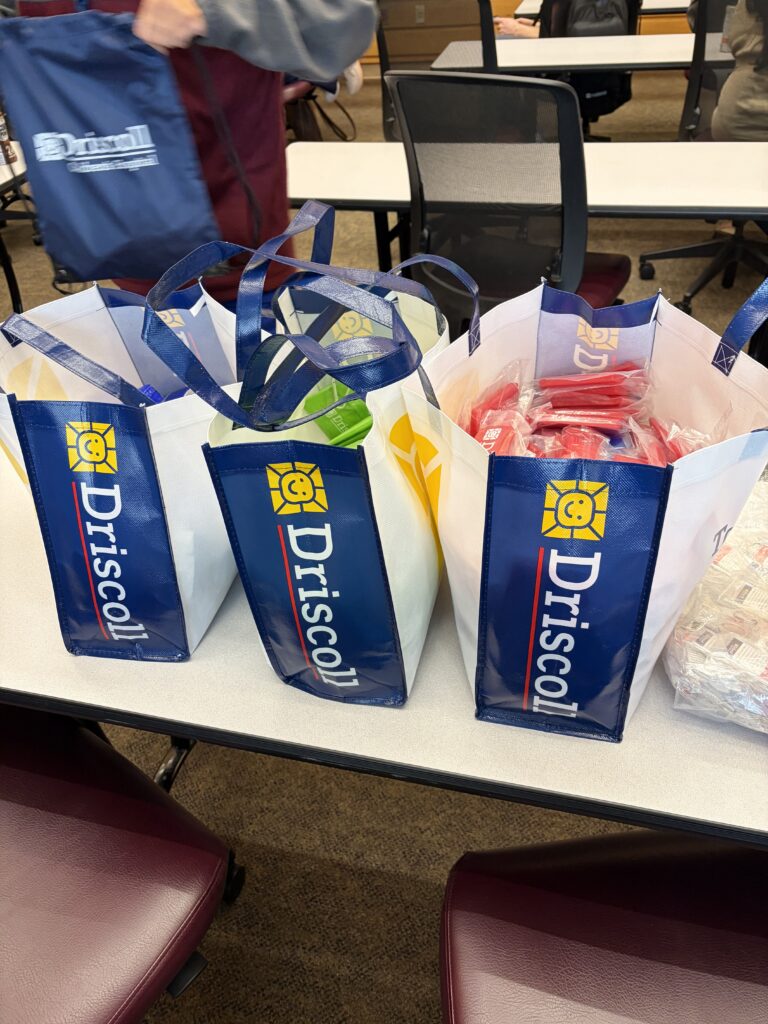
Throughout the week, residents distributed preparedness kits and educational materials across multiple clinics, while also connecting with community partners to strengthen local response efforts. The programming included lectures from state and county experts, hands-on outreach, and a coordinated push to raise awareness through media and social platforms.
For second-year resident Dr. Malavika Ramasagaram, the topic is personal. After experiencing the uncertainty of a hurricane warning early in her training, she saw firsthand how unprepared many families and even providers can feel. “That anxiety stayed with me,” she said. “It made me think about how we can better prepare ourselves and our communities, especially in regions where these events are more common.”
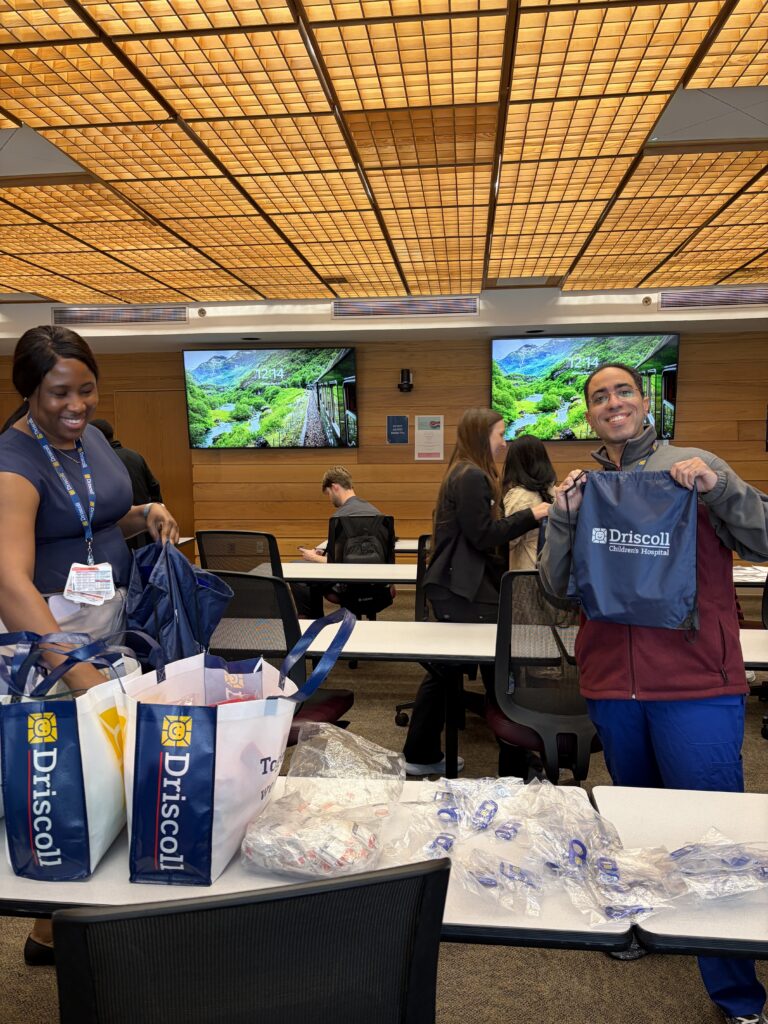
In clinics, the effort also reshaped how residents approach preventive care. Beyond routine anticipatory guidance, disaster preparedness emerged as another critical conversation with families. “This is an aspect of prevention we don’t always think about,” Dr. Pandillapalli said. “Preparing in advance for disasters is just as important as preventing illness.”
Residents say the experience required coordination across teams and new partnerships in the community, while reinforcing the broader role pediatricians play beyond clinical care.
“Advocacy Week has pushed us to step outside the hospital and really connect with our community,” said Dr. Grecia Corrada. “It’s not just about what happens in a clinic visit, it’s about making sure families feel prepared and supported before a crisis ever happens.”
“I wanted to be someone families can turn to when they don’t know what to expect,” added Dr. Ramasagaram. “Not just as a physician, but as a source of support during difficult times.”